 EN
EN ES
ES



Used Toyota Camry Buying Guide
The Toyota Camry has spent decades earning a reputation as one of the safest used-car bets on the road–in fact, it’s been the best-selling midsize sedan in the U.S. for 21 years. But it’s changed considerably over the last three generations. From the introduction of the hybrid engine to the addition of all-wheel drive and a sporty TRD model, newer Camrys offer much more than the practical sedan many people remember. Find out what to look for when buying a used Toyota Camry
Key Takeaways

- The eighth-gen Camry offers the biggest improvements in styling, tech, and comfort.
- The seventh generation, specifically the years 2014-2017, offers a blend of value, comfort, and top safety features.
- Sixth-generation models are affordable, but pay close attention to maintenance history and avoid examples with known engine issues.
Why Is the Eighth-Generation Camry Such a Big Step Forward?

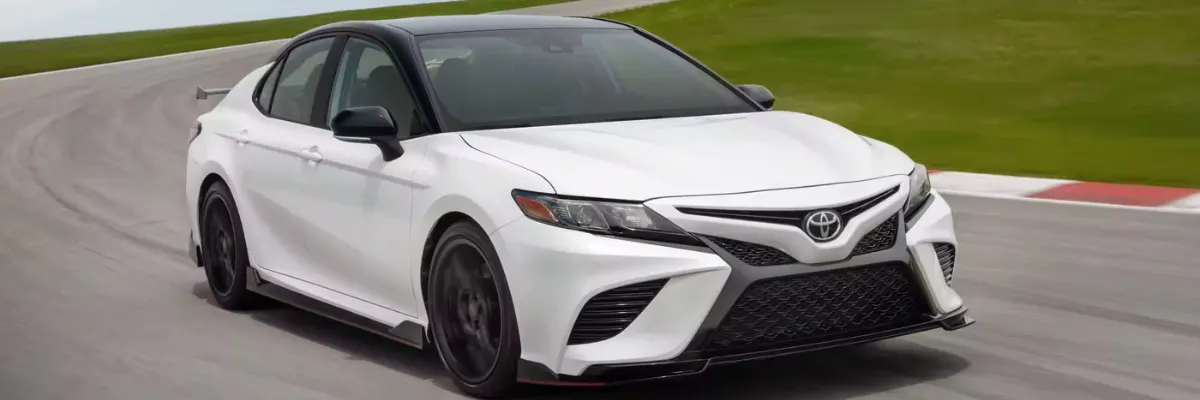
Toyota gave this Camry sportier styling, better driving dynamics, more available powertrains, and a long list of standard safety features, making it one of the strongest choices on the used market. Most models feature a 206-hp 2.5-liter four-cylinder; the available 301-hp V6 offers noticeably stronger acceleration. The Camry Hybrid combines a 2.5-liter engine with an electric motor, and non-hybrid models have optional all-wheel drive.
Toyota also expanded the trim lineup in the value-focused L and LE, the sporty SE, XSE, and TRD models, and the luxury-oriented XLE. Even entry-level cars included LED headlights, adaptive cruise control, lane-departure alert, and a backup camera. The 2020 refresh added Apple CarPlay and Android Auto, introduced the performance-oriented TRD trim, and updated the Camry’s front-end.
What Makes the Seventh-Generation Camry a Smart Used Buy?
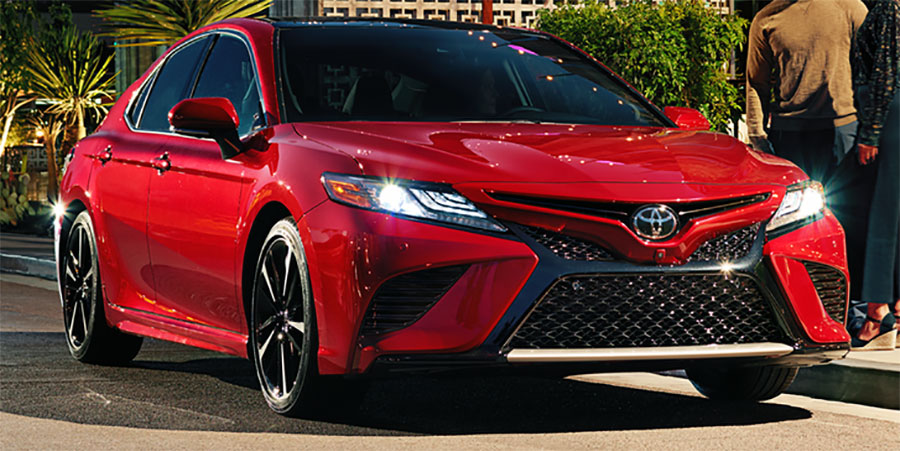
For shoppers who want a newer sedan without stretching their budget, the seventh-generation Camry is still one to consider. It delivers a quiet ride, roomy cabin, and long-term dependability buyers expect while costing thousands less than newer models. Every version features a 178-hp four-cylinder or a 268-hp V6 and is automatic only for the first time in the Camry’s history. Hybrid models also received meaningful efficiency improvements during this generation.
The 2014 refresh offered the biggest improvements in this era, thanks to a more distinct appearance, upgraded cabin materials, and more standard features. A backup camera, alloy wheels, leather upholstery, and Toyota’s Entune infotainment system became more widely available on higher trims.
Should You Buy a Sixth-Generation Camry Today?
Yes, it’s an excellent budget purchase, especially for buyers who simply want dependable transportation without spending a fortune. However, choosing the right model year is more important than it is with newer generations.
This generation introduced the first Camry Hybrid while continuing to offer both four-cylinder and V6 powertrains. Higher trims provided a surprisingly upscale interior, while the 2010 and 2011 model years added standard stability control and an improved six-speed automatic transmission. Later examples powered by the updated 2.5-liter four-cylinder generally make the strongest used-car choices.
Excessive oil consumption has been reported on some vehicles, particularly 2007 and 2008 models, so make sure to review maintenance records and inspect any model from this era before signing on the dotted line.
But Wait…What About the New Ninth-Generation Camry?
Let’s look at the redesigned ninth-generation Camry, which debuted in 2025 with one major change: every model is now a hybrid. Toyota paired its 225-hp 2.5-liter four-cylinder with an electric motor in front-wheel-drive models, while available AWD models now boost output to 232 ponies with the added rear electric motor.
It’s still too early to judge long-term reliability, but the new Camry builds on much of the previous generation’s engineering and has quickly become one of the most desirable midsize sedans on the market. Used examples are already available, although prices remain close to new as of this writing.
| Generation | Model Year | Features | Best For |
|---|---|---|---|
| Ninth Generation | 2025-Present | Hybrid-only lineup, available AWD, updated styling, improved technology | Buyers who want the newest Camry with maximum fuel efficiency |
| Eighth Generation | 2018-2024 | Sportier styling, available AWD, hybrid option, expanded trim lineup, Toyota Safety Sense standard | Buyers who want modern technology, strong performance, and excellent long-term value |
| Seventh Generation | 2012-2017 | Quiet ride, roomy cabin, improved hybrid efficiency, major 2014 refresh | Buyers looking for a well-equipped midsize sedan at a lower price |
| Sixth Generation | 2007-2011 | First Camry hybrid, available V6, upscale higher trims, later models gained six-speed automatic | Budget-conscious buyers who prioritize reliability over the latest features |
Which Toyota Camry Model Years Should You Consider?
A 2014-2017 seventh-generation Camry delivers the best overall value. Buyers willing to spend more will also appreciate everything the eighth-generation Camry offers, from available all-wheel drive and hybrid efficiency to stronger performance and a much more upscale driving experience. A late sixth-generation Camry, particularly a well-maintained 2010 or 2011 model, can still be an excellent choice for buyers on a budget. Come and see what we have on the lot today!