 EN
 ES




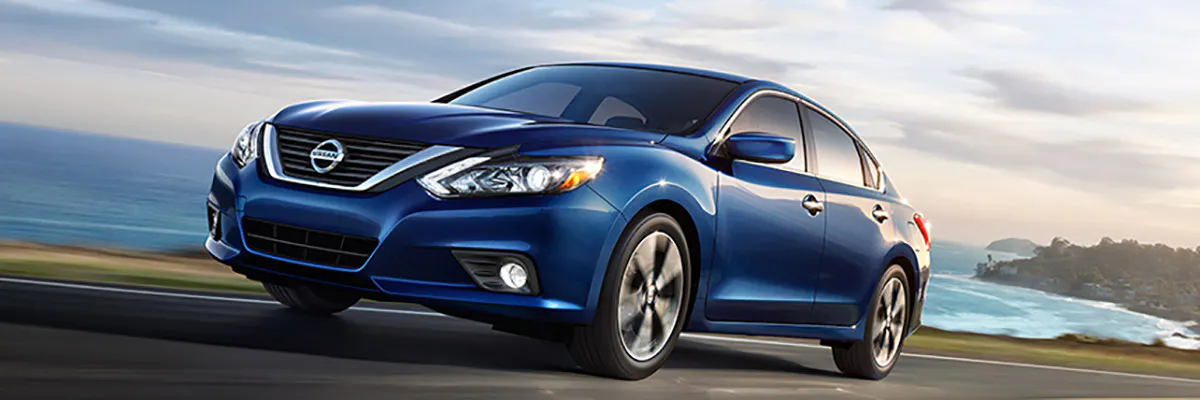
Used Nissan Altima Buying Guide
A used Nissan Altima can be an affordable way to get a comfortable midsize sedan with good fuel economy, generous passenger space, and modern driver-assistance technology. The sixth-generation models, introduced for 2019, are a useful starting point for shoppers who want newer safety features and available all-wheel drive.
However, the Altima’s continuously variable transmission (CVT) deserves particular attention when buying used, especially on older, higher-mileage examples. Maintenance records, recall checks, and a professional inspection can help you avoid an expensive mistake.
Key Takeaways

- The 2022–2024 Altima is a strong starting point for shoppers seeking a newer used sedan with modern technology.
- Most recent Altimas use a 2.5-liter four-cylinder engine paired with a CVT; some earlier sixth-generation models offered a more powerful 2.0-liter VC-Turbo engine.
- Fuel economy can reach 32 mpg combined in certain front-wheel-drive models, depending on year and configuration.
Which Used Nissan Altima Model Years Should You Consider?

The sixth-generation Nissan Altima arrived for 2019 with updated styling, improved cabin technology, and available all-wheel drive. For many shoppers, 2022–2024 models offer a useful balance of newer features, age, and used-car pricing. However, the condition and maintenance history of the individual vehicle matter more than the model year alone.
| Model years | What to know | Best suited for |
|---|---|---|
| 2013–2015 | Older fifth-generation models; inspect transmission behavior and service records carefully | Buyers with tighter budgets who can verify condition |
| 2016–2018 | Updated fifth-generation design with a range of comfort and technology features | Shoppers seeking a lower-cost sedan |
| 2019–2021 | Sixth-generation redesign, available AWD, and an available turbocharged engine on select versions | Buyers wanting newer styling and more powertrain choices |
| 2022 | Later sixth-generation model with modern safety and infotainment features | Shoppers seeking a balance of age and equipment |
| 2023–2024 | Refreshed exterior styling for 2023 and updated technology; conventional 2.5-liter engine lineup | Drivers who prioritize newer features |
These ranges are a shopping guide, not a guarantee that a particular year is problem-free. A well-maintained older Altima may be worth considering, but a low price should not outweigh warning signs such as transmission shudder, inconsistent service records, or unresolved recalls.
What Engine Options Are Available in a Used Nissan Altima?

Most sixth-generation Altimas use a 2.5-liter four-cylinder engine paired with Nissan’s Xtronic CVT. In the 2024 model, front-wheel-drive versions produce 188 horsepower and 180 lb-ft of torque, while all-wheel-drive versions produce 182 horsepower and 178 lb-ft. This engine is designed for everyday commuting rather than high-performance driving.
Some 2019–2024 Altima SR models were also available with a 2.0-liter variable-compression turbocharged engine. In the 2024 Altima SR VC-Turbo, it produces up to 248 horsepower and 273 lb-ft of torque when using premium 93-octane fuel. This version offers stronger acceleration but is less common than the standard 2.5-liter model. Check the exact model year and trim because engine availability changed across the generation. For most used-car shoppers, the standard 2.5-liter engine is the practical place to start. The turbocharged model is worth considering if performance matters, but its availability, maintenance history, and fuel requirements should be verified before purchase.
What Fuel Economy Can You Expect From a Used Altima?
Fuel economy is one of the Altima’s main advantages. The 2024 model’s front-wheel-drive 2.5-liter S and SV trims are EPA-rated at up to 27 mpg city, 39 mpg highway, and 32 mpg combined. All-wheel-drive versions have lower ratings, while the 2.0-liter turbocharged model is rated at up to 29 mpg combined.
Exact figures vary by model year, trim, and drivetrain. These figures make the Altima worth comparing for commuters who spend considerable time on highways. Actual mileage depends on traffic, temperature, tire condition, driving style, and vehicle maintenance. Before buying, look up the EPA rating for the exact year and trim rather than assuming every Altima achieves the same fuel economy.
What Common Problems Should You Check for in a Used Nissan Altima?
The most important area to evaluate is the CVT, particularly on older models with high mileage or limited service documentation. Nissan has issued transmission-related warranty extensions for certain older Altima model years, and CVT complaints have been a recurring concern among used-car shoppers.
That does not mean every Altima will develop transmission trouble, but it makes a thorough test drive and maintenance review essential. During the test drive, pay attention to hesitation when accelerating, shuddering, unusual whining, delayed engagement when shifting between Drive and Reverse, or unexpected changes in engine speed. These symptoms do not automatically confirm a failed transmission, but they warrant a professional diagnosis before you commit to the purchase.
Also inspect the engine for leaks or unusual noises, check for warning lights, and look for uneven tire wear, suspension noises, brake vibration, and evidence of previous collision damage. Ask for service receipts and verify that the vehicle has received the maintenance required for its age and mileage.
Which Used Nissan Altima Years Have Transmission Concerns?
Transmission concerns deserve particular attention on older Altimas, including certain 2013–2018 models. Nissan announced a CVT warranty extension covering certain 2013–2018 Altimas under specified conditions. Those extensions were time- and mileage-limited, so buyers should not assume that a used vehicle remains covered. Confirm eligibility directly with Nissan using the vehicle’s VIN and service history.
Newer sixth-generation models are not automatically trouble-free, either. Their condition depends on how they were driven and maintained. A 2022 Altima with documented servicing and smooth transmission operation may be a better choice than a newer vehicle that has been neglected or shows signs of mechanical trouble. Do not buy an Altima based only on a seller’s assurance that the transmission is fine. An independent mechanic can assess the vehicle, review stored diagnostic codes, and identify concerns that may not appear during a short drive.
What Should You Check Before Buying a Used Nissan Altima?
Start with the vehicle history. Review reported accidents, title status, ownership history, mileage records, and available maintenance documentation. A history report can be helpful, but it will not necessarily include every accident or repair, so it should be used alongside a physical inspection.
Use the VIN to check for open safety recalls through the National Highway Traffic Safety Administration. If a recall appears, ask a Nissan dealer to confirm whether the required repair has been completed. Recall information can change, and the VIN is more useful than a general list of potentially affected model years.
During an inspection, check the following
- Transmission: Test acceleration and low-speed driving for hesitation, shuddering, or unusual noises.
- Engine: Look for fluid leaks, warning lights, rough idling, and unusual sounds.
- Brakes and suspension: Listen for clunks, check for vibration, and inspect tires for uneven wear.
- Interior electronics: Test the infotainment system, climate controls, cameras, windows, and driver-assistance features.
- Maintenance records: Look for consistent servicing and ask about major repairs.
- Recall status: Confirm open recalls and completed repair documentation by VIN.
A professional pre-purchase inspection is particularly worthwhile if the vehicle has high mileage, incomplete service records, or any symptoms during the test drive.
Which Nissan Altima Trim Is Best to Buy Used?
Altima trims vary by model year, but common names include S, SV, SR, SL, and Platinum. The S generally emphasizes essential features, while the SV often adds useful comfort and technology equipment. The SR has sportier styling and, on certain earlier sixth-generation models, was available with the VC-Turbo engine. Higher trims such as SL and Platinum may offer additional convenience and premium features, depending on the year.
| Trim | Main appeal | Best suited for |
|---|---|---|
| S | Essential equipment | Budget-conscious buyers |
| SV | Added convenience and technology | Everyday commuting |
| SR | Sportier appearance and select performance options | Drivers who want a more athletic look |
| SL | Additional comfort and premium features | Buyers who prioritize convenience |
| Platinum | Higher-level equipment on applicable years | Shoppers seeking a more upscale sedan |
Is a Used Nissan Altima Worth Buying?
A used Nissan Altima can be a sensible choice for drivers who want a roomy sedan, strong highway fuel economy, and available all-wheel drive. The 2022–2024 models are useful starting points for shoppers seeking newer technology, while older examples may offer lower purchase prices if their maintenance history and mechanical condition are solid.
The most important buying decision is not simply which model year or trim to choose. It is finding a specific car with a healthy transmission, documented maintenance, no unresolved safety recalls, and a price that reflects its condition. Here at Arlington Toyota we can help you accomplish all of these tasks. Reach out today to get help with your used Nissan Altima.