 EN
 ES




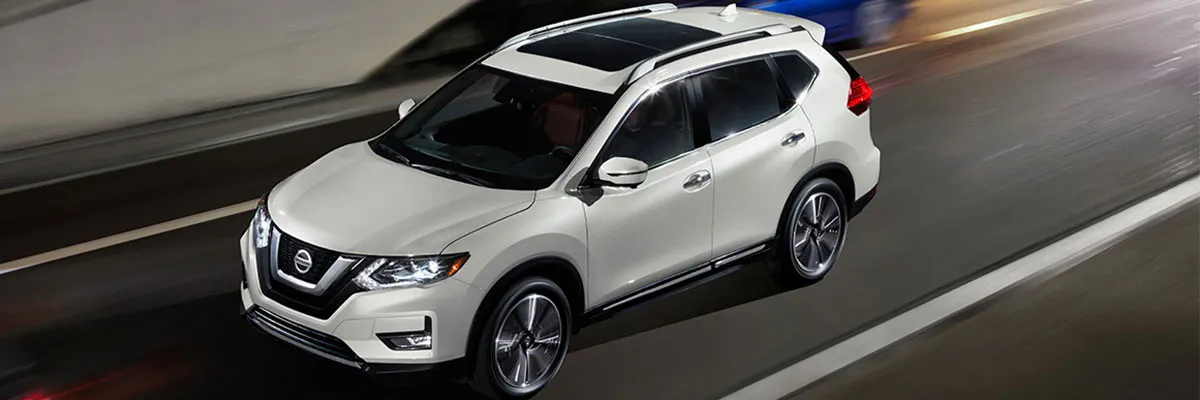
Used Nissan Rogue Buying Guide
A used Nissan Rogue can be a practical choice for drivers who want a compact SUV with comfortable seating, flexible cargo space, and strong fuel economy. The best purchase depends on the model year, maintenance history, and powertrain.
Older Rogues deserve careful transmission inspections, while certain newer models equipped with Nissan’s variable-compression turbocharged engine have been affected by serious engine recalls. Checking the VIN, reviewing service records, and arranging a professional inspection can help you find a Rogue that fits your budget without taking unnecessary risks.
Key Takeaways

- The 2019–2020 Rogue models are worth considering for shoppers seeking a later version of the second generation, while 2021 and newer models offer a redesigned cabin and newer technology.
- Certain 2014–2018 Rogues have a documented history of CVT transmission concerns, making service records and a thorough test drive particularly important.
- The 1.5-liter VC-Turbo engine in certain 2021–2025 Rogues has been affected by engine recalls; verify the exact vehicle’s recall status and repair documentation.
- Recent Rogue models can achieve up to 33 mpg combined in some front-wheel-drive configurations, depending on model year.
- A VIN-specific recall check, vehicle-history report, and independent pre-purchase inspection are essential steps before buying.
Which Used Nissan Rogue Model Years Should You Consider?

The Nissan Rogue’s second generation ran from 2014 through 2020, while the third generation debuted for 2021. The newer generation brought updated styling, more technology, and a 1.5-liter VC-Turbo three-cylinder engine that replaced the previous generation’s conventional 2.5-liter four-cylinder in the main lineup.
The 2024 model received styling and technology updates, and the Rock Creek trim arrived for 2025. The 2019–2020 models are worth comparing because they retain the previous generation’s conventional four-cylinder engine and received favorable used-buying recommendations from Autotrader. Newer models offer more modern equipment, but they require particular attention to the engine recall history. No model year should be considered problem-free without evaluating the specific vehicle.
What Engine Options Are Available in a Used Nissan Rogue?

Most 2014–2020 Rogue models use a 2.5-liter four-cylinder gasoline engine paired with Nissan’s Xtronic continuously variable transmission (CVT). In the 2020 model, the engine produces 170 horsepower and 175 lb-ft of torque. This powertrain is intended for everyday commuting, family travel, and general utility rather than performance driving.
The redesigned 2021 Rogue introduced a 2.5-liter four-cylinder in its initial lineup, while the 1.5-liter VC-Turbo three-cylinder engine became the primary powertrain during the transition to the newer generation. The VC-Turbo produces 201 horsepower and 225 lb-ft of torque in recent models, including the 2026 Rogue. Confirm the engine fitted to the exact year and vehicle you are considering.
| Engine | Representative output | What buyers should know |
|---|---|---|
| 2.5L four-cylinder, 2014–2020 | 170 hp, 175 lb-ft in the 2020 model | Conventional engine, paired with a CVT |
| 2.5L four-cylinder, early 2021 models | 181 hp, 181 lb-ft | Used in the initial third-generation lineup |
| 1.5L VC-Turbo three-cylinder, later models | 201 hp, 225 lb-ft | Stronger torque, but certain model years and engines are affected by recalls |
What Fuel Economy Can You Expect From a Used Nissan Rogue?
Fuel economy varies by model year, engine, and drivetrain. The 2020 Rogue achieves approximately 29 mpg combined in front-wheel-drive form, while the newer 2026 Rogue is rated at up to 32 mpg combined with front-wheel drive and 31 mpg combined with all-wheel drive. These figures provide a useful comparison, but shoppers should check the EPA rating for the exact used vehicle.
The Rogue can be an economical option for commuting and longer highway trips. However, real-world fuel economy depends on traffic, temperature, tire condition, cargo, and driving habits. All-wheel drive and off-road-oriented equipment can also affect mileage, so compare the exact trim rather than relying on a single Rogue fuel-economy figure.
What Common Problems Should You Check for in a Used Nissan Rogue?
Two major areas deserve attention: the CVT in older models and engine recall history in certain newer ones. Some 2014–2018 Rogues have a documented history of transmission problems, including shuddering, hesitation, overheating, and failure. Certain 2021–2025 Rogues equipped with the VC-Turbo engine have also been affected by engine recalls involving possible internal bearing damage and engine failure.
During a test drive, watch for delayed acceleration, unusual whining, shuddering, or rough operation from the transmission. For VC-Turbo models, listen for unusual engine knocking and check for warning lights or evidence of previous engine repairs.
These symptoms do not establish a diagnosis on their own, but they should prompt a professional evaluation. Other inspection points include the air-conditioning system, brakes, suspension, tires, electronic features, and signs of collision damage. Ask for maintenance records and look for evidence of regular servicing. A clean exterior and low odometer reading do not guarantee that the vehicle has been maintained properly.
Which Nissan Rogue Years Have Engine Recall Concerns?
Nissan’s VC-Turbo engine recalls make VIN-specific verification especially important for newer used Rogues. A 2025 recall covered certain 2021–2024 Rogue vehicles equipped with affected VC-Turbo engines. In February 2026, NHTSA published an additional recall involving certain 2023–2025 Rogue vehicles equipped with the 1.5-liter VC-Turbo engine. The defect involves possible internal bearing damage that can cause engine failure. Not every vehicle from these model years is necessarily affected.
Before buying one of these vehicles, enter its VIN into NHTSA’s recall lookup and ask a Nissan dealer to verify the latest campaign status. Request documentation showing what inspection or repair was performed. If an affected vehicle has not received its required remedy, resolve that issue before purchase. A completed recall repair should also be documented, and buyers should ask whether the vehicle has experienced engine damage or replacement. Because recall campaigns and remedies can change, do not rely solely on the seller’s description or a general model-year list.
Which Nissan Rogue Trim Is Best to Buy Used?
The Rogue has been offered in trims such as S, SV, SL, and Platinum, with Rock Creek joining the lineup for 2025. Equipment varies by model year. The S generally focuses on essential features, the SV adds everyday convenience, and SL and Platinum versions offer more upscale comfort and technology. Rock Creek is aimed at drivers who prefer a more rugged appearance and adventure-oriented equipment.
| Trim | Main appeal | Best suited for |
|---|---|---|
| S | Essential equipment | Budget-conscious buyers |
| SV | Added comfort and convenience | Everyday commuting and family use |
| SL | More premium equipment | Drivers who prioritize comfort and technology |
| Platinum | Higher-level interior and technology features | Buyers seeking a more upscale cabin |
| Rock Creek | Rugged styling and standard AWD on the 2025 model | Outdoor recreation and drivers who prefer adventure-oriented styling |
Is a Used Nissan Rogue Worth Buying?
A used Nissan Rogue can be a sensible compact SUV for drivers who need comfortable passenger space, practical cargo capacity, and good fuel economy. The 2019–2020 models are worth comparing for buyers seeking a later second-generation vehicle, while 2021 and newer models offer more modern interiors and technology.
The best choice depends on condition, price, and the specific vehicle’s mechanical history. Here at Arlington Toyota we can help you find the best used Nissan Rogue to get you on the road!